Mobile App Development in Nigeria: Costs, Process, and What to Expect
2/4/2026
·5 min read
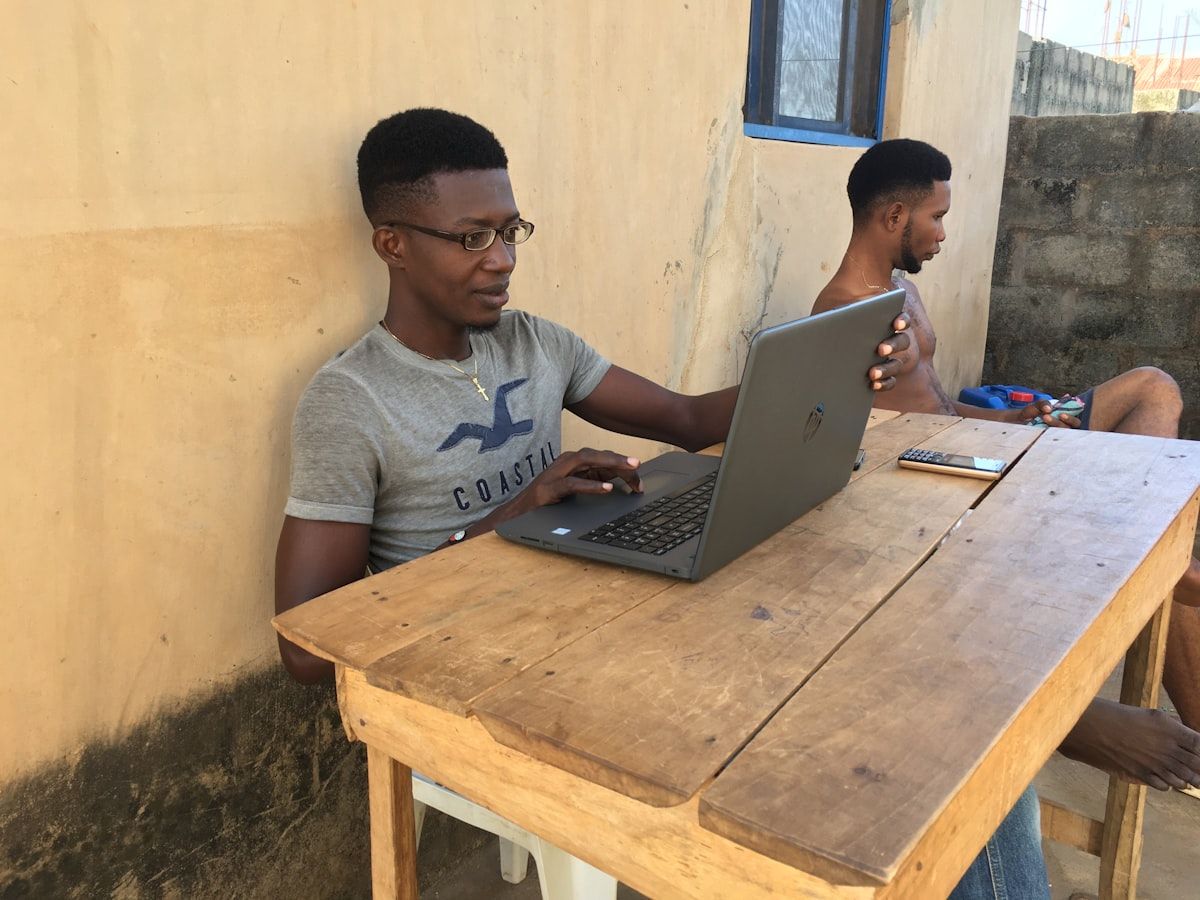
Nigeria has over 100 million smartphone users, and that number is climbing rapidly. Whether you are building a consumer app for the Nigerian market, a B2B tool for local enterprises, or a mobile product targeting a global audience, mobile app development in Nigeria offers exceptional value and access to world-class talent.
But building a successful mobile app involves more than just writing code. From choosing the right technology framework to understanding realistic costs and timelines, there are critical decisions that can determine whether your app succeeds or fails. This guide walks you through the entire process.
React Native vs Flutter: Choosing Your Framework
One of the first and most important decisions in mobile app development is choosing between native development and cross-platform frameworks. In 2026, the two dominant cross-platform options are React Native (backed by Meta) and Flutter (backed by Google). Both allow you to build iOS and Android apps from a single codebase, dramatically reducing development time and cost.
React Native: Best for JavaScript Teams
React Native uses JavaScript and React, making it an excellent choice if your team already has web development experience. It has a massive ecosystem of third-party libraries, strong community support, and is used by companies like Instagram, Shopify, and Coinbase. The framework allows developers to reuse up to 80 percent of code across iOS and Android platforms.
Flutter: Best for Performance-Critical Apps
Flutter uses Dart and renders UI directly on the device canvas, which often results in smoother animations and more consistent visual behaviour across platforms. It is particularly strong for apps that require complex UI, custom animations, or pixel-perfect designs. Companies like BMW, Alibaba, and Google Pay use Flutter for their mobile applications.
Which Should You Choose?
Choose React Native if you already have a JavaScript web application and want to share code between web and mobile. Choose Flutter if performance and custom UI design are your top priorities. At Tranarc, we are proficient in both frameworks and can recommend the best option based on your specific project requirements, budget, and timeline.
Realistic Cost Ranges for Mobile App Development in Nigeria
The cost of building a mobile app in Nigeria depends on several factors: complexity, features, platform requirements, and the development team's experience level. Here is what you can expect:
Basic apps with simple features like user authentication, a content feed, basic navigation, and push notifications typically cost between $3,000 and $8,000. These are suitable for MVPs, informational apps, or simple service-booking tools.
Mid-range apps that include features like payment processing, real-time messaging, maps integration, user profiles, and admin dashboards typically range from $8,000 to $30,000. E-commerce apps, ride-hailing services, and social networking apps fall into this category.
Complex apps with advanced features such as AI-powered recommendations, real-time video streaming, IoT device integration, complex payment workflows, or multi-language support can cost between $30,000 and $100,000 or more.
These costs are typically 40 to 60 percent lower than what you would pay an app development company in the United States or Western Europe for the same scope of work.
The Mobile App Development Timeline

Understanding the timeline helps you plan your launch and set realistic expectations. Here is a typical breakdown:
Discovery and Planning (1 to 2 weeks). This phase covers requirement gathering, user research, competitive analysis, and project scoping. The output is a detailed project plan, feature list, and technical architecture document.
UI/UX Design (2 to 4 weeks). Designers create wireframes, high-fidelity mockups, and interactive prototypes. This phase ensures that the app's user experience is intuitive and visually polished before development begins.
Development (6 to 16 weeks). The engineering team builds the app in iterative two-week sprints. You receive demo builds at the end of each sprint so you can test progress and provide feedback. This phase includes both frontend mobile development and backend API development.
Testing and QA (2 to 3 weeks). Dedicated testers run the app through device compatibility testing, performance testing, security audits, and user acceptance testing. Bugs are fixed and edge cases are addressed.
App Store Submission and Launch (1 to 2 weeks). Your app is prepared for submission to the Apple App Store and Google Play Store. This includes creating store listings, screenshots, descriptions, and handling the review process. Apple typically takes 1 to 3 days for review, while Google Play can approve apps within hours.
In total, expect a timeline of 3 to 6 months from project kickoff to app store launch for most projects.
How to Choose the Right App Development Team in Nigeria
Selecting the right development partner is crucial. Here are the key factors to evaluate:
Published mobile apps. Ask to see apps they have built that are live in the App Store or Google Play. Download and use them. This is the best indicator of their mobile development capability.
Framework expertise. Ensure the team has deep experience with your chosen framework, whether that is React Native, Flutter, or native iOS and Android development.
Design capabilities. A great mobile app requires great design. Look for a team that has dedicated UI/UX designers, not just developers who also do design.
Backend development. Mobile apps almost always need a backend API. Make sure your development partner can build and maintain the entire stack, not just the mobile frontend.
Communication and process. Regular sprint demos, transparent project management tools, and responsive communication are non-negotiable for a successful engagement.
Post-Launch: What Happens After Your App Goes Live
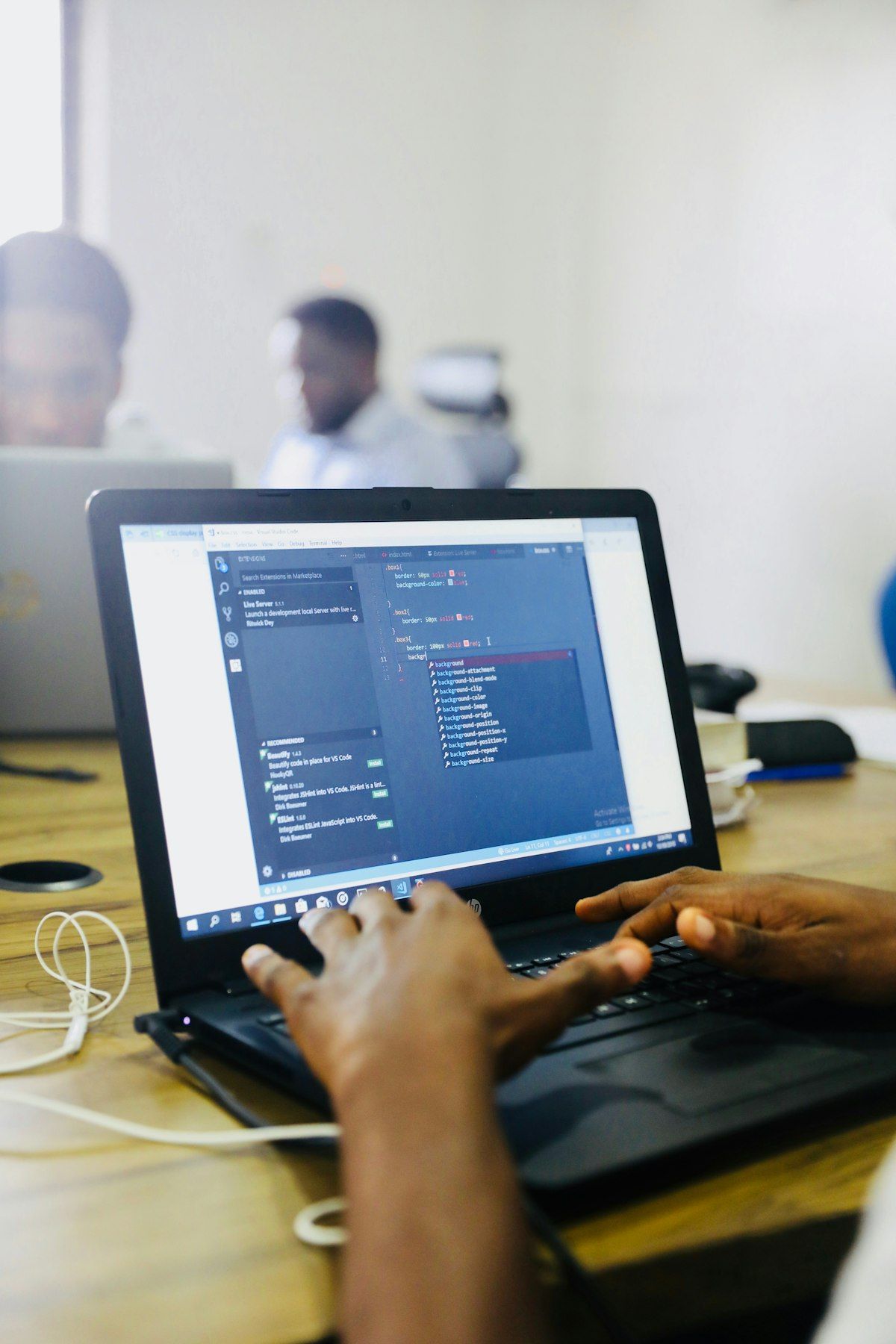
Launching your app is just the beginning. Post-launch support is critical for long-term success and includes monitoring crash reports and performance metrics, releasing bug fixes and stability updates, responding to user feedback and app store reviews, adding new features based on user data and business needs, and keeping the app compatible with new OS versions and devices.
At Tranarc, we offer ongoing maintenance and support packages that keep your app performing at its best long after the initial launch.
Build Your Mobile App with Tranarc
Tranarc is a leading app development company in Nigeria with extensive experience building mobile applications for startups, enterprises, and international clients. From concept to launch and beyond, our team handles every aspect of mobile app development with the quality and professionalism you would expect from a top-tier development partner.
Ready to build your mobile app? Contact Tranarc today for a free consultation. We will help you define your requirements, choose the right technology, and create a development roadmap that fits your budget and timeline.
Related: See our complete software development pricing guide for Nigeria and learn about our mobile app development services.